Table of Contents
Science shows provide the students a chance to convert their textbook ideas into workable models, experiments and functioning projects. Students can create, test and display something themselves, rather than just learning how it works.
Here are 20 science exhibition project ideas for classes 3 to 12 with 2 project ideas per class.
Science Exhibition Project Ideas for Class 3
Class 3 students can start with projects based on concepts they can easily observe in everyday life. Models should be simple, colourful and easy to explain.
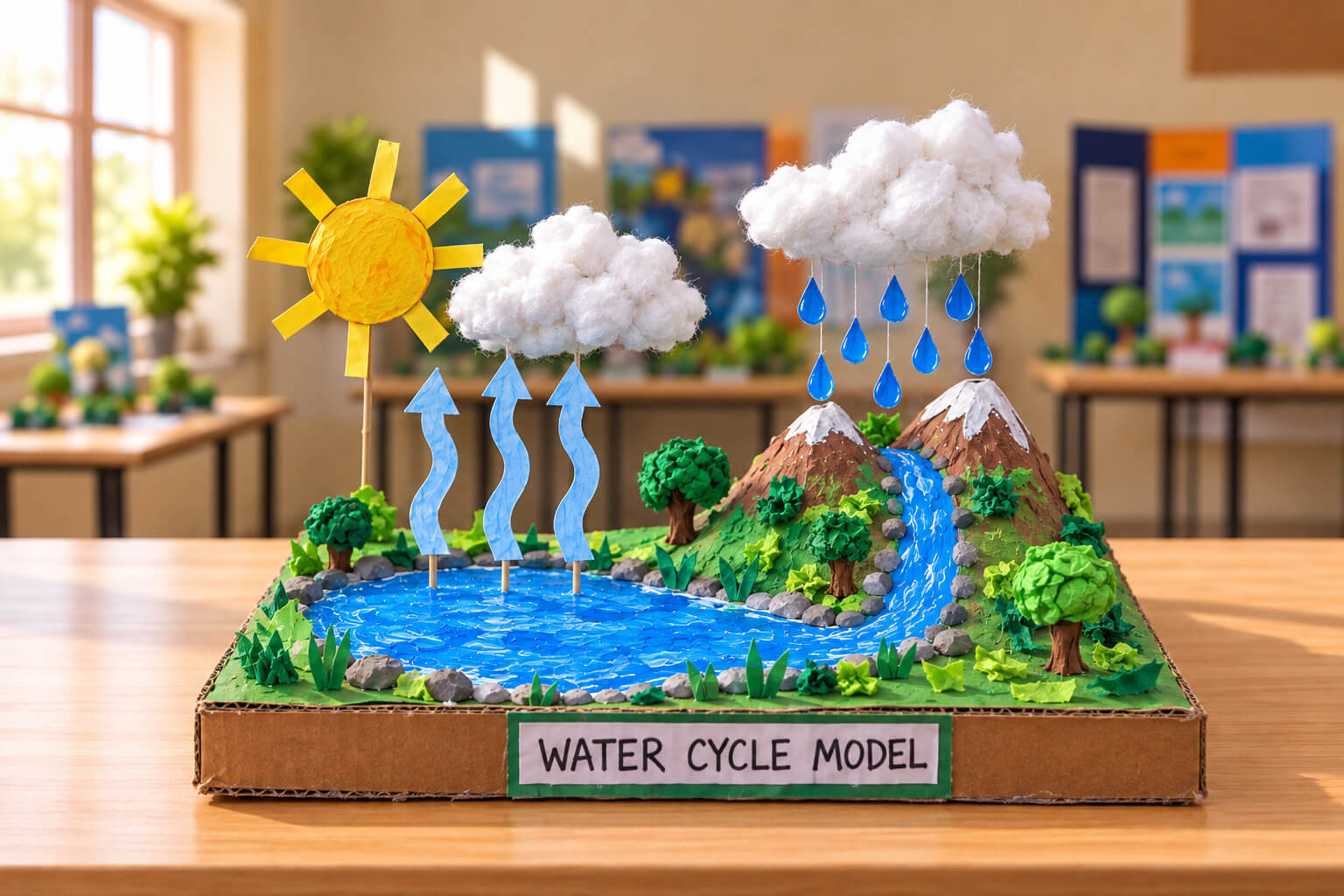
1. Water Cycle Model
A water cycle model is a simple way to demonstrate evaporation, condensation and precipitation.
Students can create a tiny environment with water, clouds and a heat source, or use a closed transparent setup to show how water transforms from one state to another.
The project can show how the water from seas, rivers and other sources evaporate due to heat, create clouds due to condensation and fall back to the Earth as precipitation.
What students learn: Water cycle, states of water and heat and evaporation.
2. Day and Night Model
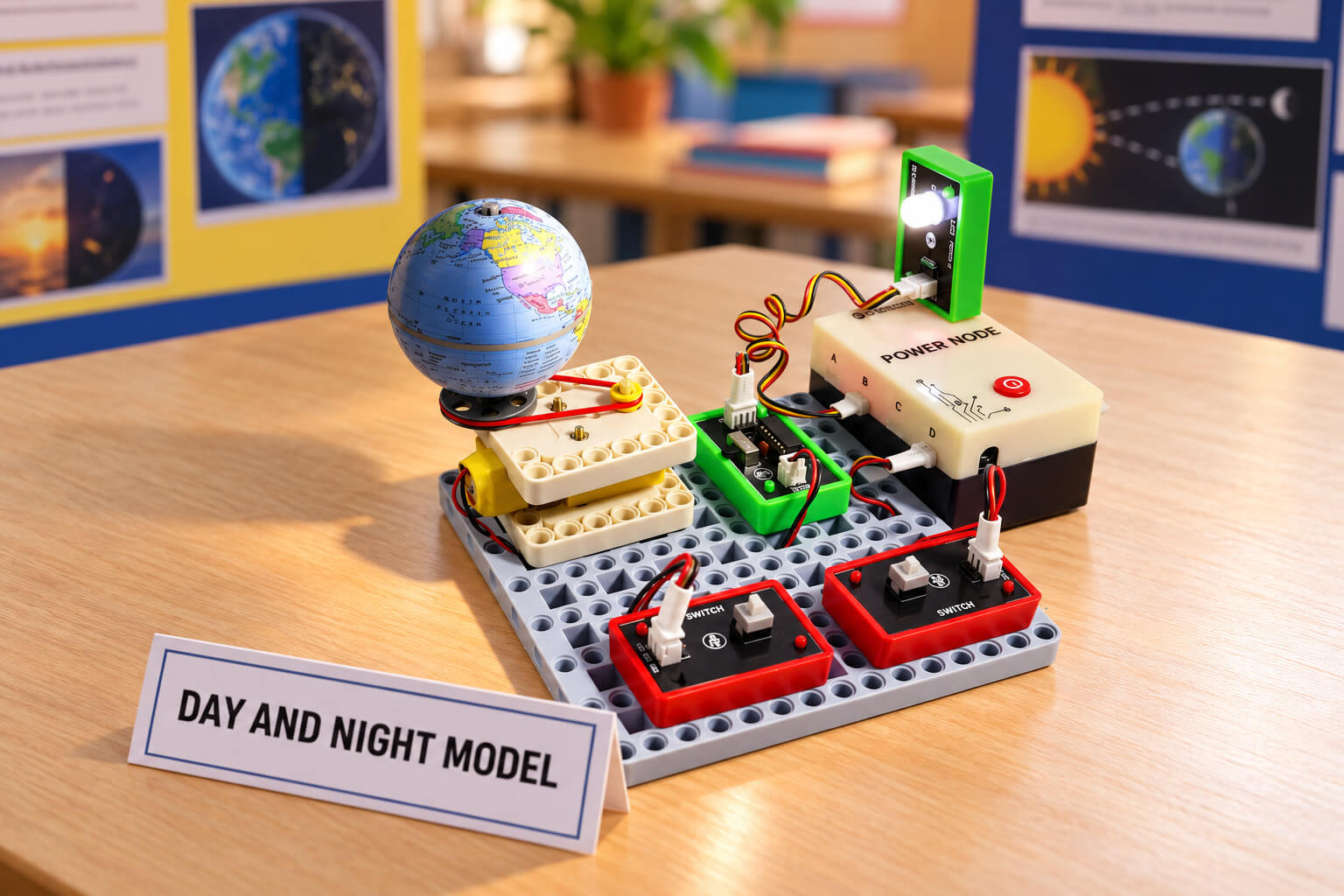
A day-night model depicts how the Earth receives day and night as it revolves on its axis.
Students may use a globe or ball to represent Earth and a lamp to symbolise the Sun. They can spin the model of the Earth to show how various sections of the Earth are lit up by sunlight at different times.
What students learn: Earth’s rotation, sunlight, and the difference between day and night.
Science Exhibition Project Ideas for Class 4
Class 4 students can explore projects connected with natural resources and basic physics.
3. Rainwater Harvesting Model
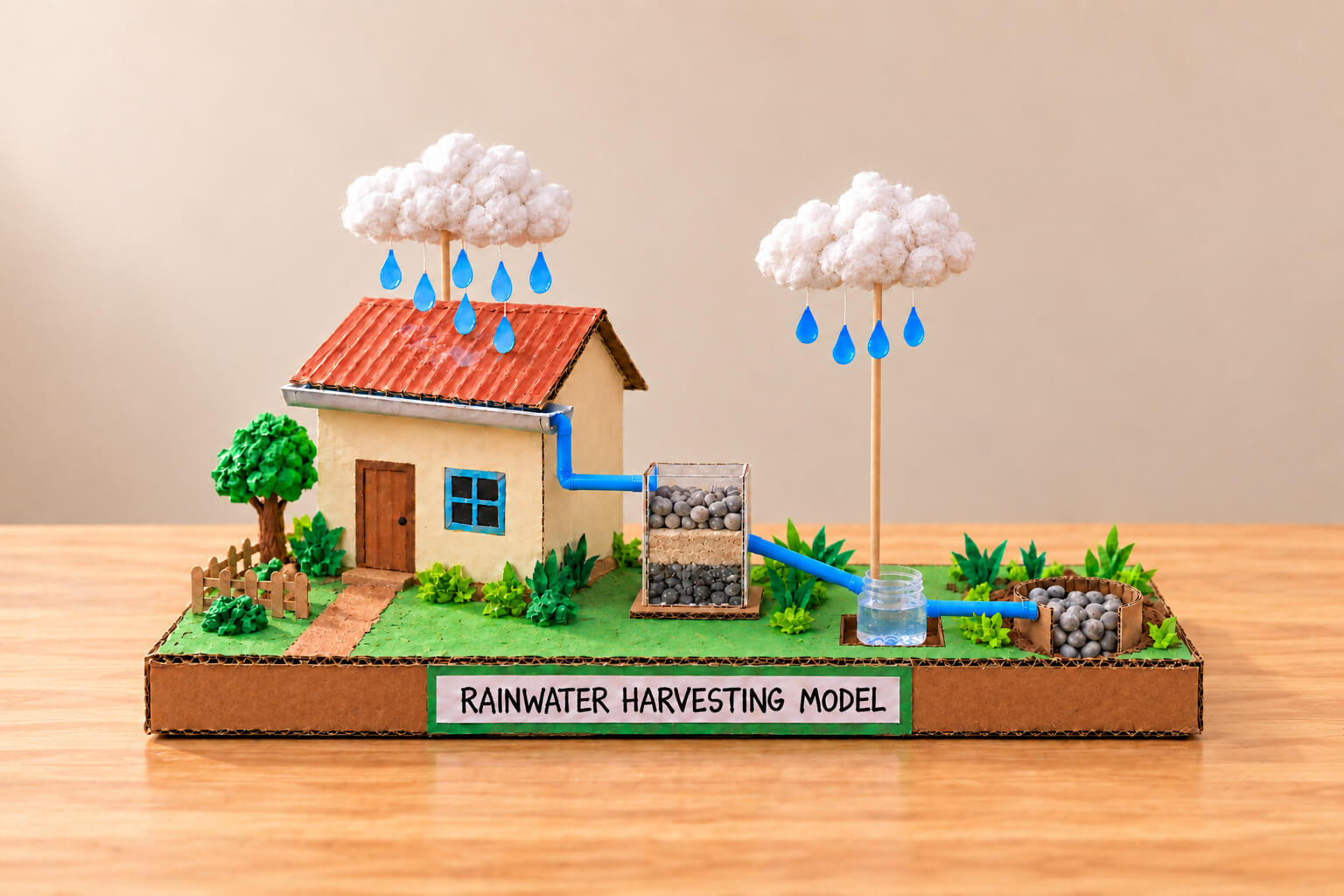
A rainwater harvesting model can depict how rainfall can be gathered from rooftops and routed into a storage tank or recharge area.
Students can design a small house with a sloping roof, pipes and a collection tank. Water that runs off the roof can go through pipes into the storage room.
The model also helps to demonstrate how rain water harvesting can help to minimise water wastage and help recharge ground water.
What students learn: Conservation of water Collection systems Responsible use of natural resources
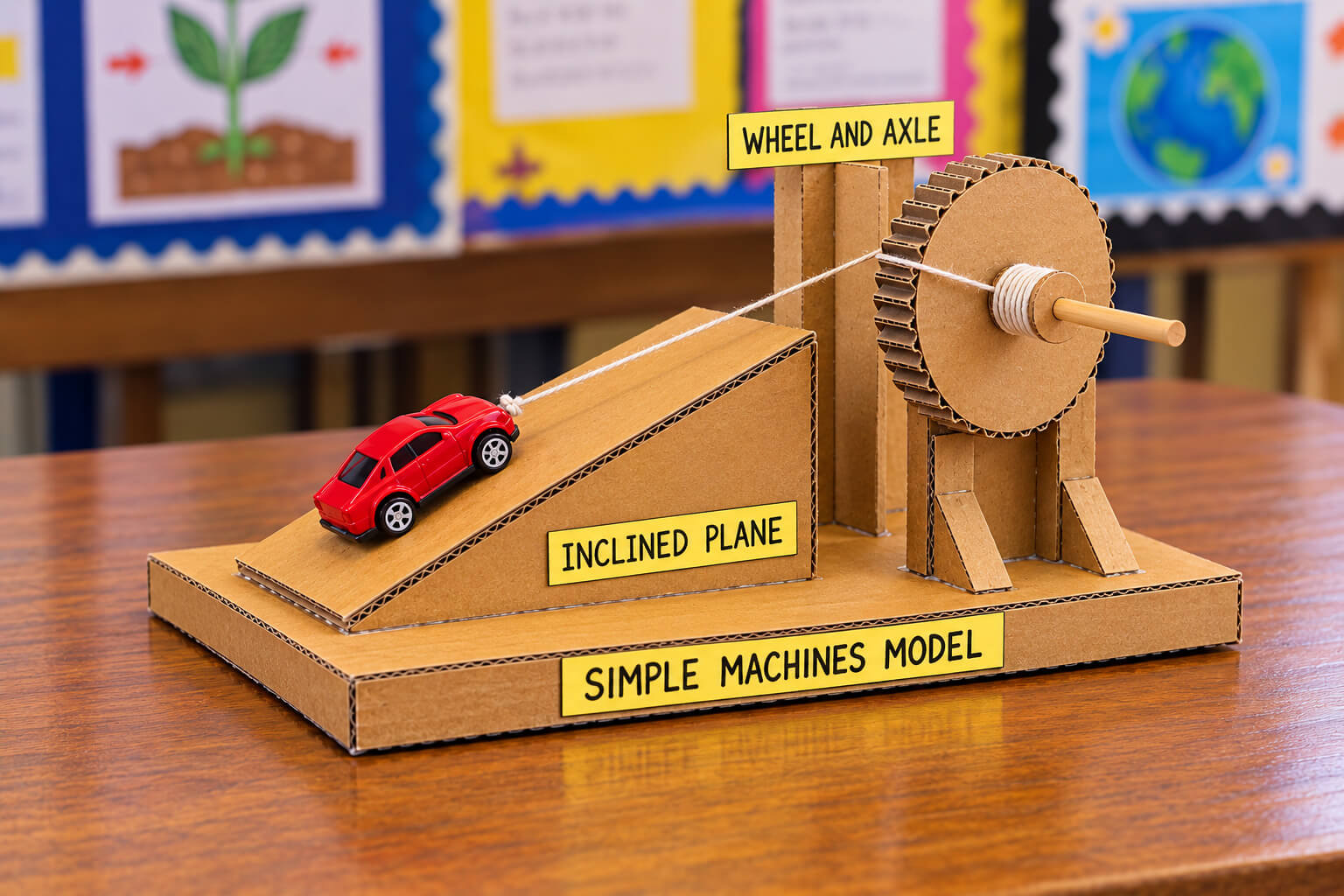
4. Simple Machines Model
Students might build a working display of simple machines such as lever, pulley, inclined plane or wheel and axle.
For example, a small pulley can be used to explain how changing the direction of the force makes it easier to lift an object. A lever can demonstrate how the position of the fulcrum changes the amount of effort needed.
What students learn: Force, motion and how simple devices make labour easier.
Science Exhibition Project Ideas for Class 5
Class 5 students can begin exploring energy and environmental science through simple working models.
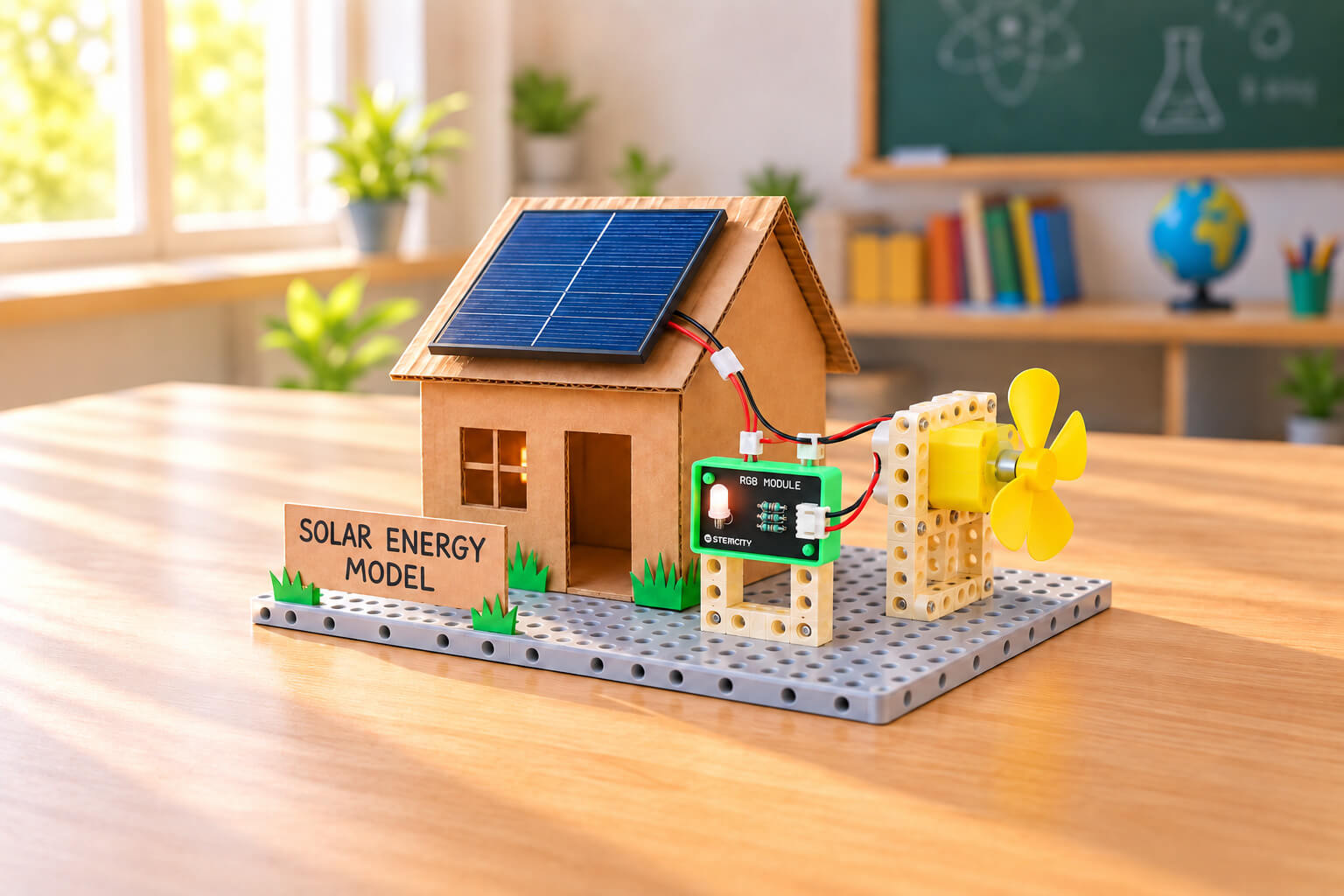
5. Solar Energy Model
A solar energy model can demonstrate how sunlight can be converted into electrical energy using a small solar panel.
Students can connect a solar panel to an LED, small motor or buzzer and demonstrate how the component operates when the panel receives sufficient light.
The project can also introduce renewable energy and explain why solar power is being explored as an alternative to conventional energy sources.
What students learn: Solar energy, electricity and renewable resources.
6. Water Filtration Model
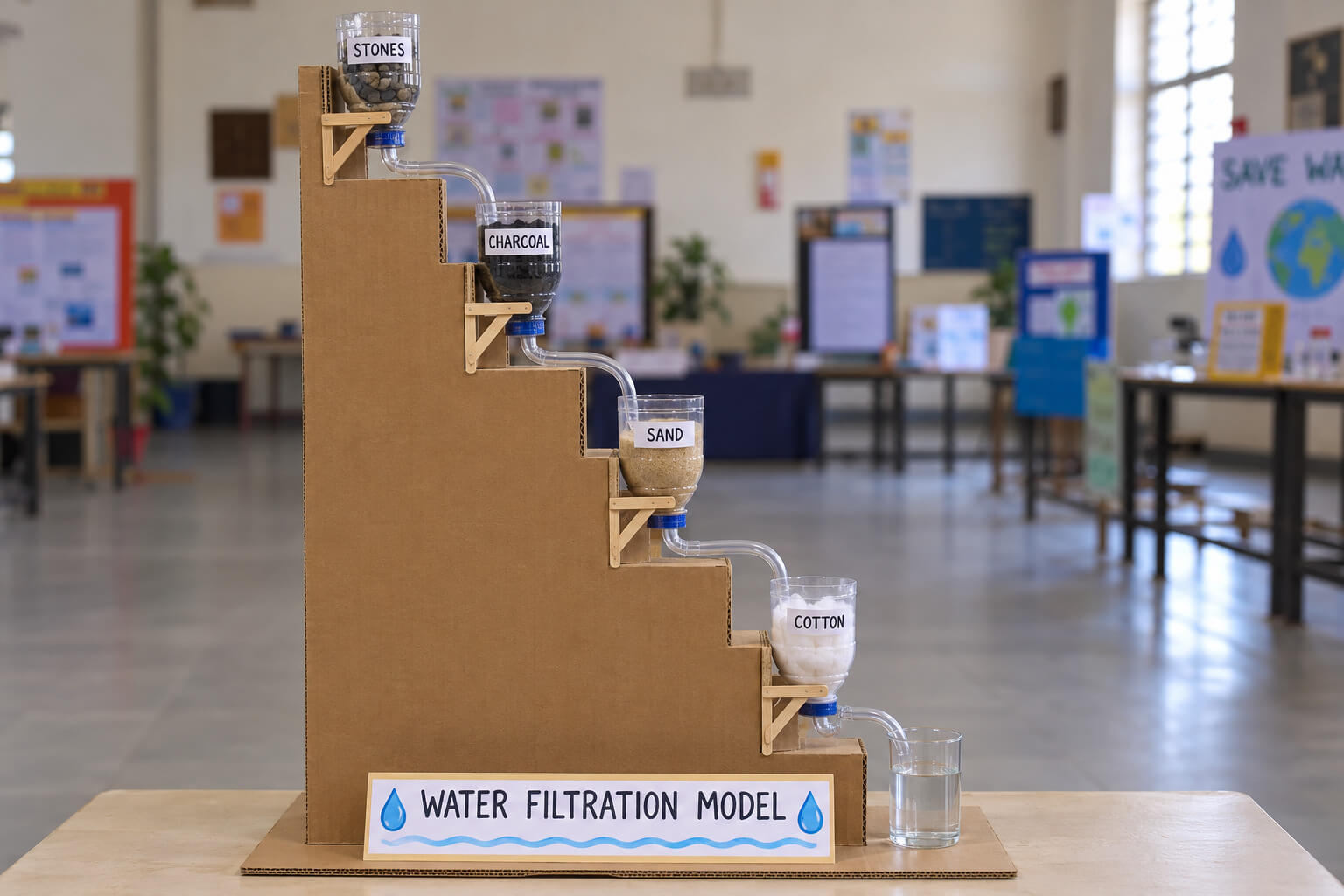
A simple water filtration model can demonstrate how different layers of materials can remove some visible impurities from water.
Students can create a transparent setup using materials such as gravel, sand and filter paper. Dirty water can be passed through the layers and the difference can be observed.
It is important to explain that filtered water from a basic school model is not necessarily safe for drinking. The project demonstrates filtration, not complete water purification.
What students learn: Filtration, impurities and the importance of clean water.
Science Exhibition Project Ideas for Class 6
Class 6 students can begin working with basic electrical and electronic concepts.
7. Electromagnet Model
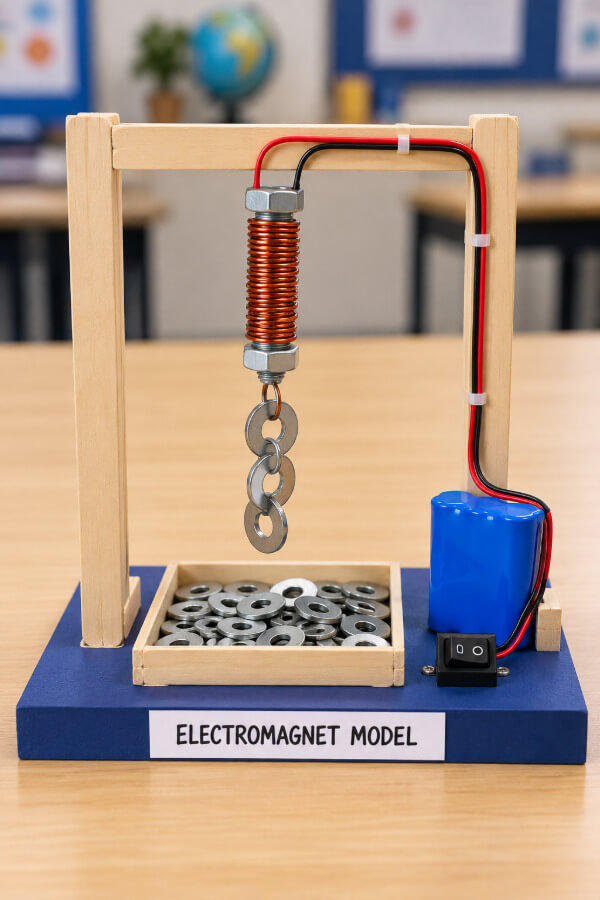
An electromagnet is a simple project that demonstrates the link between electricity and magnetism.
Students can wrap insulated copper wire around an iron nail and connect the wire to an appropriate battery. When current travels through the coil the nail works like a magnet and can pick up little ferrous items.
The project can show how electrical energy can be used to create a temporary magnetism.
What students learn: Electricity, magnetism and electromagnetism.
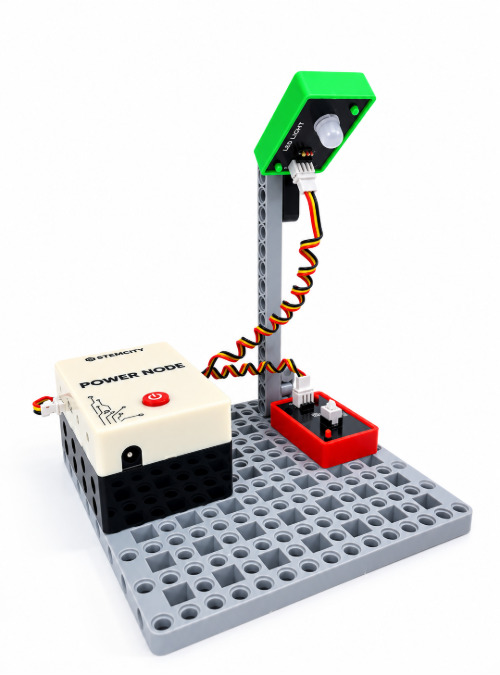
8. Smart Street Light
A mockup of a smart street light shows how the lights can be switched on or off automatically depending on the light in the surrounding area.
Students can use an LED circuit with the light dependent sensor. The LED can be turned on when the surroundings are dark and turned off when the surroundings are bright.
The idea can be tied to real world discussions about automation and energy efficiency.
What students learn: Sensors, circuits, automation and energy efficiency.
Science Exhibition Project Ideas for Class 7
Students in Class 7 can explore projects that combine science with basic programming and electronics.
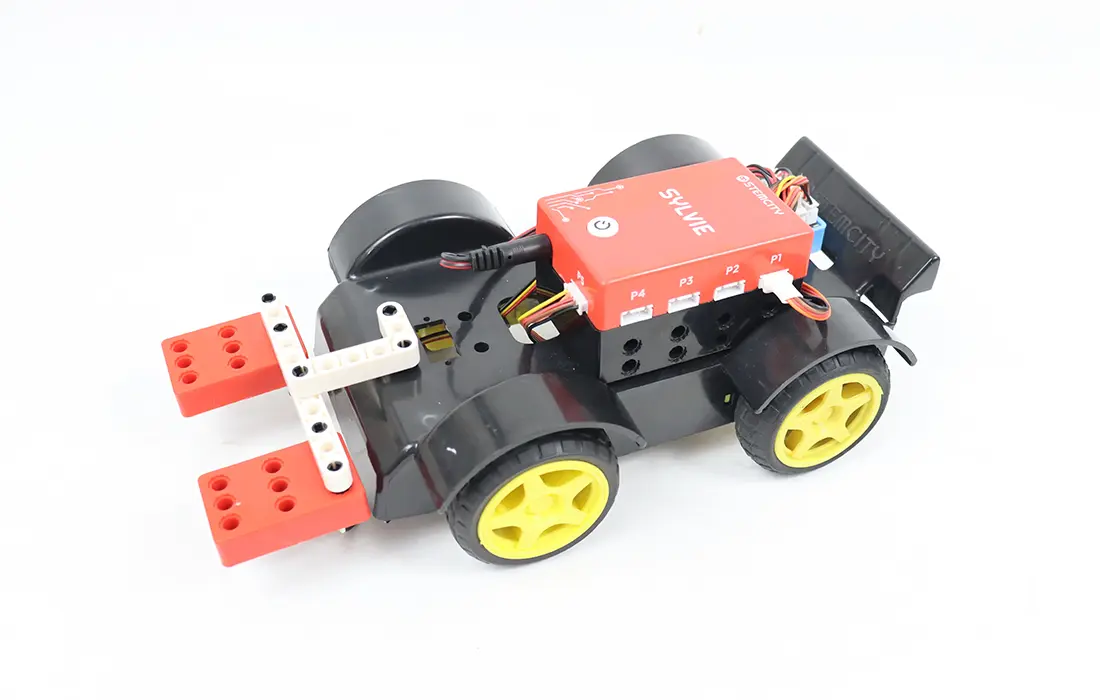
9. Line-Following Robot
A line follower robot is a functional robotic model that follows a designated path.
The robot has sensors that can identify a contrast line on a surface. The sensor data is then used by the controller to drive the motors to keep the robot on the course.
Students can show how sensors, programming and motor control work together.
What students learn: Sensors, programming logic, motors and robotics.
10. Smart Plant Watering System
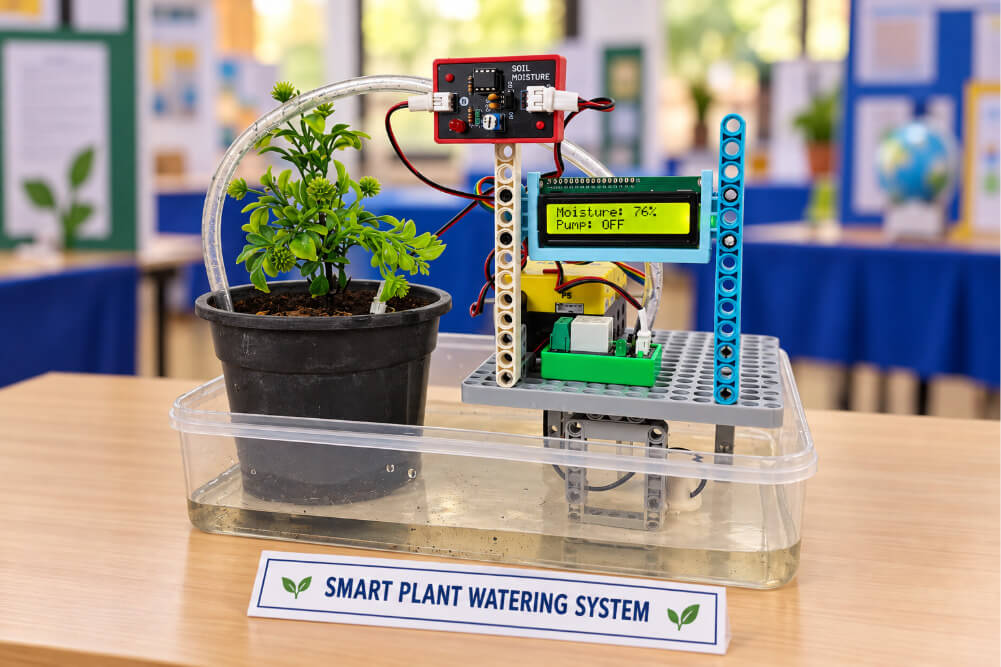
A smart watering system for plants can automatically deliver water when the soil gets dry enough.
A soil-moisture sensor measures the amount of moisture. A tiny pump delivers water when moisture falls below a chosen level.
This project links electronics and automation with plant care and water saving.
What students learn: Soil moisture, sensors, automation and efficient water use.
Science Exhibition Project Ideas for Class 8
Class 8 students can work on more complex robotic and smart-city models.
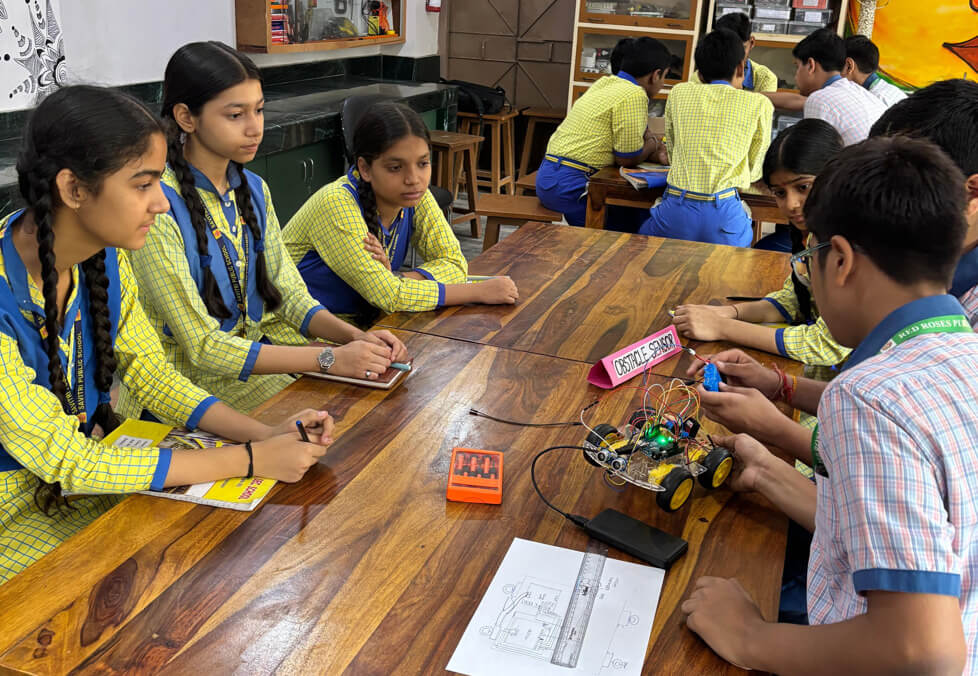
11. Obstacle-Avoiding Robot
An obstacle-avoiding robot uses a distance sensor to detect objects in front of it.
When the sensor detects an obstacle, the controller can instruct the robot to stop, turn or choose another direction.
Students can explain how robots use sensors to collect information from their surroundings and make programmed decisions.
What students learn: Sensors, programming, decision-making and robotics.
12. Smart Traffic Management System
A smart traffic management model can demonstrate how sensors and programmed controls could be used to manage traffic flow.
Students can create a miniature road system with traffic signals and sensors. The model can be programmed to demonstrate different signal timings depending on the number of vehicles detected.
The project can introduce students to automation and the idea of using technology to address problems in cities.
What students learn: Traffic systems, sensors, automation and problem-solving.

Science Exhibition Project Ideas for Class 9
Class 9 students can explore projects that involve data collection, sensors and real-world applications.
13. Smart Weather Station
A smart weather station can monitor environmental conditions using sensors.
Depending on the components available, students can measure parameters such as temperature, humidity and light intensity. The readings can be displayed on a screen or sent to a computer or mobile dashboard.
The project can demonstrate how sensors are used to collect environmental data.
What students learn: Sensors, environmental monitoring, data collection and electronics.

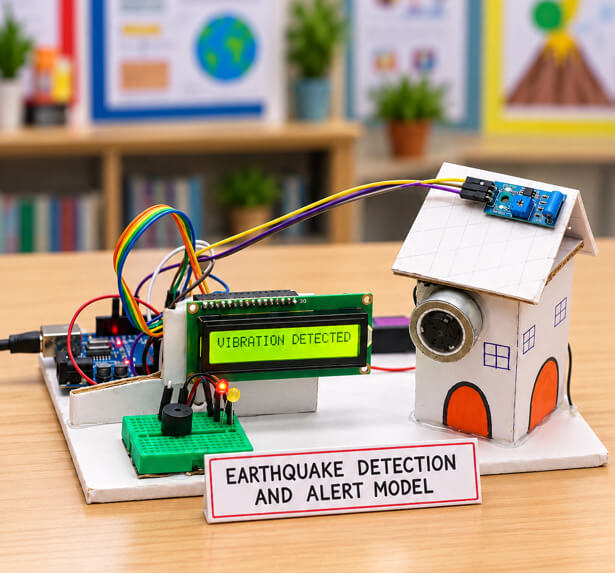
14. Earthquake Detection and Alert Model
An earthquake detection model can demonstrate how vibrations can be detected and converted into an alert.
Students can use a vibration sensor or similar mechanism connected to a microcontroller and buzzer. When significant vibrations are detected, the system can activate an alert.
The model should be presented as a vibration detection and alert system, rather than a device that predicts earthquakes.
What students learn: Vibrations, sensors, circuits and alert systems.
Science Exhibition Project Ideas for Class 10
Class 10 students can combine scientific concepts with modern technologies such as AI and automation.
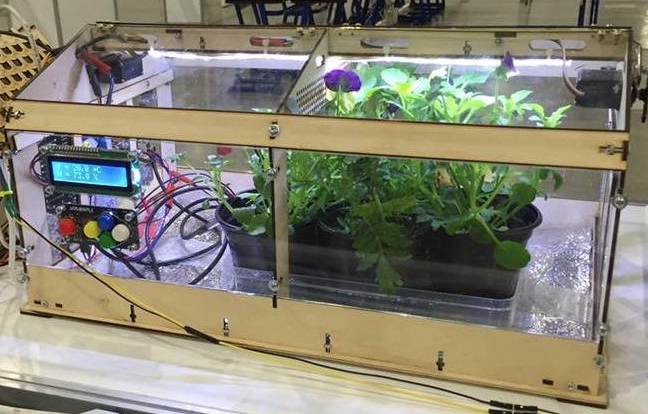
15. Smart Greenhouse
A smart greenhouse model demonstrates how technology can help monitor and control conditions required for plant growth.
Students can use sensors to monitor factors such as soil moisture, temperature and light. Depending on the readings, the system can activate a fan, light or water pump.
The model can also introduce students to controlled farming and the role of technology in agriculture.
What students learn: Plant growth, sensors, automation, agriculture and environmental control.
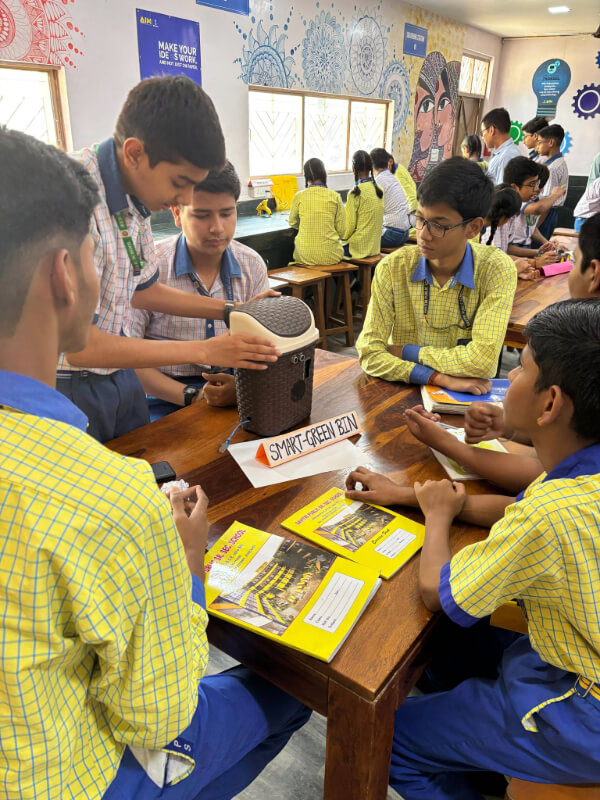
16. AI-Based Waste Segregation System
An AI-based waste segregation model can demonstrate how image recognition can be used to identify different categories of waste.
For example, students can train or use a simple image-classification system to distinguish between categories such as paper, plastic and organic waste. The output can then be connected to a model sorting mechanism.
The project does not need to replicate an industrial waste-management system. Its purpose is to demonstrate the basic idea of AI-based classification and automated decision-making.
What students learn: Artificial intelligence, image classification, automation and waste management.
Science Exhibition Project Ideas for Class 11
Class 11 students can work on projects that involve more advanced programming, sensors and data analysis.
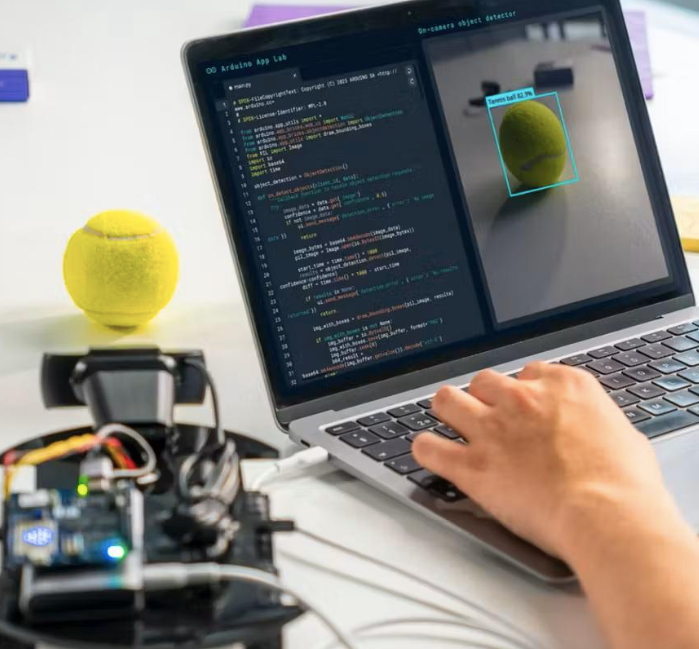
17. AI-Based Object Detection System
An AI-based object detection project can demonstrate how computer vision systems identify objects in images or video.
Students can use a camera and an appropriate machine-learning model to detect selected objects. The system can display the detected object or trigger an action based on the result.
For example, a project could demonstrate how a camera system detects a particular object and displays its name on a screen.
What students learn: Artificial intelligence, computer vision, machine learning and programming.
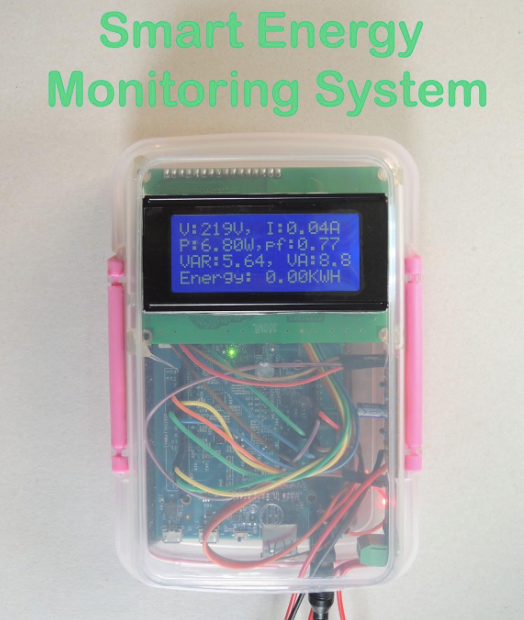
18. Smart Energy Monitoring System
A smart energy monitoring system can demonstrate how electrical energy consumption can be measured and monitored.
Students can create a model that collects electricity-related readings and displays information through a screen or digital dashboard.
The project can also explore how monitoring consumption can help identify unnecessary energy use.
What students learn: Electricity, sensors, data monitoring and energy management.
Science Exhibition Project Ideas for Class 12
Class 12 students can take on integrated projects involving IoT, sensors, automation and real-world problem-solving.
19. IoT-Based Environmental Monitoring System
An IoT based environmental monitoring system is able to collect environmental data from various sensors and publish the values via a digital interface.
Depending on the sensors provided, students can track characteristics like temperature, humidity, air-quality indicators or light levels.
The information gathered can be shown on a web or mobile dashboard, showing how devices that are connected can remotely talk to each other and share information.
What students learn: IoT, sensors, data communication, programming and environmental monitoring.

20. Smart Water Management System
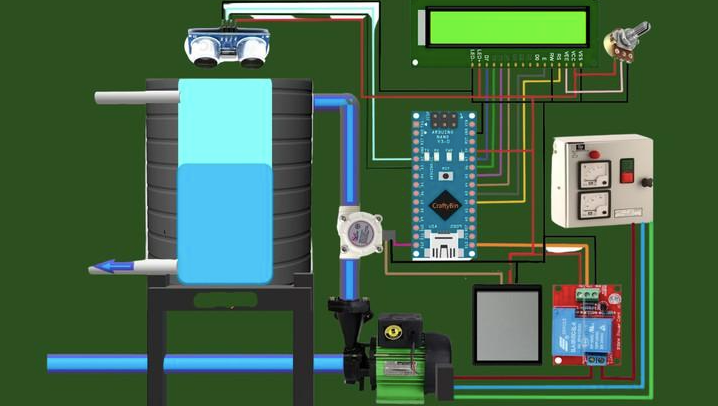
An example of how sensors and automation can be used to monitor and control water usage is a smart water management system.
Water level sensors can be used to monitor a tank and automatically control a pump. The system can easily be expanded for leak detection or water-use monitoring.
This project ties electronics and programming to a real-world issue in water management.
What students learn: Water management, sensors, automation, IoT and problem-solving.
Quick Guide: Science Exhibition Projects for Classes 3 to 12
| Class | Project 1 | Project 2 |
| Class 3 | Water Cycle Model | Day and Night Model |
| Class 4 | Rainwater Harvesting | Simple Machines |
| Class 5 | Solar Energy Model | Water Filtration |
| Class 6 | Electromagnet | Smart Street Light |
| Class 7 | Line-Following Robot | Smart Plant Watering |
| Class 8 | Obstacle-Avoiding Robot | Smart Traffic Management |
| Class 9 | Smart Weather Station | Earthquake Detection |
| Class 10 | Smart Greenhouse | AI Waste Segregation |
| Class 11 | AI Object Detection | Smart Energy Monitoring |
| Class 12 | IoT Environmental Monitoring | Smart Water Management |
This progression allows students to move from basic scientific models to electronics, robotics, AI and IoT-based projects as their knowledge and technical skills develop.
How to Choose the Right Science Exhibition Project?
Choosing a project should involve more than selecting the most complicated-looking model. A project is more useful when students understand the concept behind it and can confidently explain how it works.
Consider the following factors:
1. Class Level
The project should match the student’s age and understanding. A Class 3 student may benefit more from a physical science model, while a Class 12 student may be able to work with programming, sensors and IoT.
2. Student’s Interest
Students are more likely to explore a project deeply when the topic connects with something they find interesting. Some may enjoy robotics, while others may prefer environmental science, physics, biology or technology.
3. Available Time
A working project involving programming and multiple sensors can take considerably longer than a basic model. Students should select something that can be completed and tested before the exhibition.
4. Materials and Budget
Check the availability and cost of components before beginning. A project should not become unnecessarily complicated because of expensive or difficult-to-find materials.
5. Understanding of the Concept
Students should be able to explain the science behind their project. Simply assembling a model without understanding how it works can make it difficult to answer questions during the exhibition.
How to Make a Science Exhibition Project Stand Out?
A good exhibition project does not necessarily need to be the most complicated one. Presentation, explanation and practical demonstration can make a significant difference.
Make It Interactive
If possible, allow visitors to press a button, observe a sensor reading, activate a motor or see the model respond to an input.
Explain the Problem
Instead of only explaining what the model does, students can begin by explaining the real-world problem it addresses.
For example:
Problem: Water is often wasted when tanks overflow.
Solution: A smart water management model can monitor water levels and control a pump automatically.
This makes the purpose of the project easier to understand.
Show the Science Behind It
Use labels, diagrams and short explanations to show the scientific principle involved.
Demonstrate the Working
A working demonstration can make the project easier for visitors to understand. Students should test the model several times before the exhibition.
Keep the Display Clear
Avoid covering the exhibition board with too much text. Use headings, diagrams, key facts and short explanations so visitors can understand the project quickly.
Should Students Use AI and Robotics in Science Exhibitions?
AI, robotics and IoT can make science display projects more engaging, particularly for students in upper classes.
But technology has to assist, not replace, the scientific notion.
For instance, AI based trash segregation models can exhibit picture categorization and automatic sorting. A robotic project can serve as an example of how sensors can supply information to a program system for decision making.
Students should grasp the technology they are presenting. They should be able to tell you what the sensors perform , what the program is verifying and why the system produces a certain outcome .
For younger children you can present these ideas in smaller forms through basic sensors, motors and automation.
Common Mistakes Students Should Avoid
A few common mistakes can make a science exhibition project harder to complete or explain.
Choosing a Project That Is Too Advanced
A complicated project may look impressive but can become difficult to build, troubleshoot and explain.
Copying a Project Without Understanding It
Students should understand the scientific concept and working principle instead of memorising an explanation from the internet.
Adding Too Many Features
More features do not always make a project better. A simple model that works reliably can be easier to demonstrate than a complicated model with several unfinished functions.
Ignoring Testing
Working on the project only at the last minute can lead to problems during the exhibition. Students should test the model repeatedly and identify possible failures beforehand.
Focusing Only on Appearance
A visually attractive display can catch attention, but the scientific explanation and working demonstration remain important parts of the project.
How Can Teachers and Parents Support Students?
Teachers and parents can aid pupils without doing the project for them.
Teachers can direct students to age-appropriate themes, clarify challenging concepts, and assist students find ways to enhance their models.
Parents can support kids by enabling them to organize supplies, manage their time and follow basic safety procedures when working with tools, electricity or electrical components.
Most importantly, students should be able to construct, test, make mistakes and improve their projects themselves. The process can be as important as the finished presentation model.
FAQs About Science Exhibition Projects
1. What is a good science exhibition project for school students?
A good science exhibition project should match the student’s class level, demonstrate a clear scientific concept and ideally include an experiment, model or working system. Projects can range from simple water-cycle models for younger students to robotics, AI and IoT projects for senior students.
2. Which science exhibition project is easy to make?
Simple projects such as a water cycle model, day-and-night model, rainwater harvesting model, simple machines model and basic water filtration model can be suitable for younger students. The level of difficulty will depend on the materials, construction method and student’s familiarity with the topic.
3. How do I choose a science exhibition project according to my class?
Start with the student’s class level and current understanding. Classes 3–5 can focus on simple scientific models and experiments. Classes 6–8 can explore electronics, sensors and beginner robotics, while Classes 9–12 can take on projects involving data collection, automation, AI, programming and IoT.
4. Can science exhibition projects use AI, robotics or IoT?
Yes. AI, robotics and IoT can be incorporated into science exhibition projects, particularly for older students. Examples include AI-based object detection, smart greenhouses, robotic systems, environmental monitoring and smart water management. The technology should be appropriate to the student’s level and properly understood by the student.
From Science Exhibition Projects to STEM Learning
Science display projects can teach students a lot more than what they read in their text books. Creating a model may require students to identify a problem, investigate alternative solutions, pick materials, construct components, test their ideas, and revise when something doesn’t work.
This natural process links science with technology, engineering and mathematics, and provides the foundation for STEM instruction.
For example, a student developing a line-following robot might explore sensors, circuits, programming and mechanical motion. A student constructing a smart greenhouse can integrate environmental science with electronics and automation.
This practical approach also develops abilities including:
- Critical thinking
- Creativity
- Problem-solving
- Logical reasoning
- Experimentation
- Collaboration
- Communication
- Practical application of concepts
The project is thus more than a show in an exhibition. It provides an opportunity for students to see how scientific knowledge may be applied to real-world issues.
Final Thoughts
Students get a chance to put classroom ideas into practice with projects at science exhibitions. The correct project may make scientific subjects more interesting and easy to investigate, whether it is basic models for the younger pupils or robotics, AI and IoT-based systems for the senior students.
Students should evaluate their class level, enthusiasm, resources available, time and understanding of the topic while picking a science exhibition project. A good project should not only explain a scientific concept, but it should also provide an opportunity for students to experiment, solve issues and learn how the concept may be implemented in real life.
With proper guidance and a project appropriate to their level, students may transform a science display into a meaningful STEM learning experience, promoting creativity, critical thinking, problem-solving and practical skills.