Table of Contents
Science is everywhere. Science is involved in everything from the energy that keeps our lights on to the plants that thrive around us. Classroom sessions provide students with an understanding of scientific principles, while practical activities allow students to experience those concepts in action. And that is why every science project becomes a useful step in making learning more fun, engaging, and meaningful.
Today, schools are adopting experiential learning, where kids learn by doing rather than simply remembering knowledge. A good science project model enables students to observe, investigate, analyse, and find out answers to real-world problems. Practical activities like classroom instruction, contests, or science display projects allow pupils to develop creativity, critical thinking, and problem-solving skills.
If you’re looking for some creative science project ideas for students, here are 11 intriguing projects that blend learning with creativity.
1. Solar-Powered House Model
Students are introduced to renewable energy and sustainable living through a solar-powered house model. Students create a small house with a solar panel to show how sunshine can be turned into electricity. Through this project, they learn about alternative energy sources and how solar power can lessen dependence on traditional electricity. It also promotes discussions about environmental conservation and green technology.
Learning Outcomes:
- The notion of solar energy
- Applications in renewable energy
- Practices for sustainable living
Protection of the environment
2. Water Filtration System
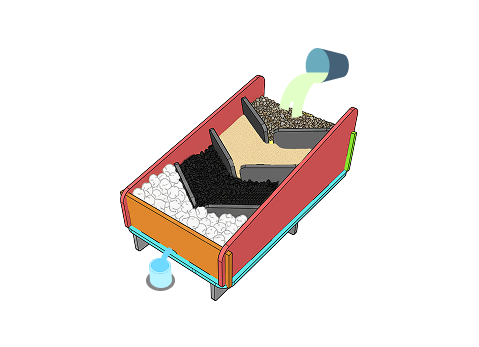
Water is vital to human health, yet many sources of water are not clean and must be treated before they can be used. In this science project, students will build a filter system using items such as sand, gravel, cotton, and charcoal to learn about the process of water purification. This activity demonstrates the process of removing undesirable particles from water and the need for clean drinking water. It is a useful and meaningful activity that allows students to integrate science with everyday life.
Learning Outcomes:
- Methods of Purifying Water
- Environmental Consciousness
- Methods of filtration and separation
- Why Clean Drinking Water Is Important
3. Volcano Eruption Model
The volcano eruption model is still one of the most popular science demonstration projects because it blends visual appeal with scientific instruction. Students make a model volcano and then cause it to erupt using a safe chemical reaction. This activity enables kids to learn how gases are generated in chemical processes and how pressure builds up inside volcanoes. It’s a fun method to explore earth science subjects.
Learning Outcomes:
- Chemical reaction
- Fundamentals of earth science
- Observation and Experiment
- Natural events
4. Hydraulic Bridge System
Hydraulic systems are employed in construction machinery, elevators, and industrial devices. This science project model lets students build a practical hydraulic bridge out of needles and tubes filled with water. “This project shows how pressure can be transferred through liquids to do mechanical work. It gives a hands-on introduction to engineering principles and real-world applications of physics.
Learning Outcomes:
- Hydraulic pressure principles
- Motion and forces
- Basics of mechanical engineering
- Practical Uses of Physics
5. Rainwater Harvesting Model
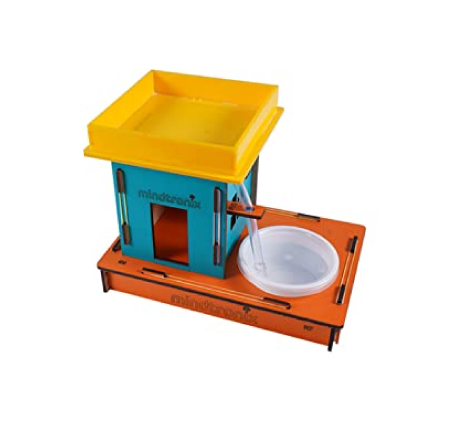
Water conservation is becoming more and more critical with increasing environmental challenges. This science project shows how rainwater may be collected, stored, and repurposed for many uses. Students are taught about sustainable water management and the need to conserve natural resources. The initiative also teaches children to understand how small solutions may be used to address bigger environmental problems.
Learning Outcomes:
- Water Conservation Methods
- Environmental sustainability
- Resource management
- Real-world problem-solving
6. Automatic Street Light System
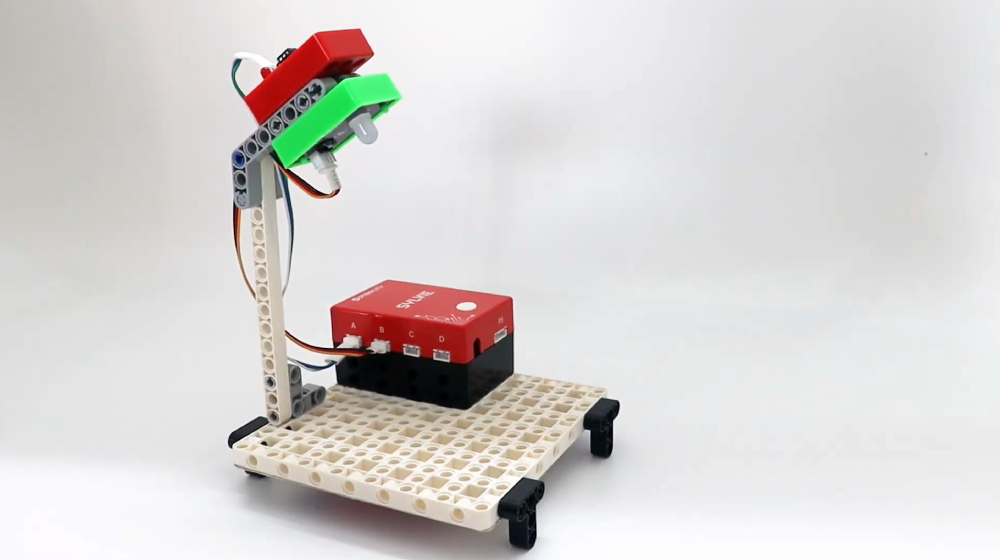
An autonomous street light system is a great science project to teach children about sensors and automation. The model is fitted with light sensors that automatically turn on the lights when it becomes dark and off when daylight returns. This research shows how technology can make energy more efficient and cut down on electricity consumption. It also gives them a flavour of the basics of smart systems and automation.
Learning Outcomes:
- Sensor Technologies
- Conservation of energy
- Automation concepts
- Basic electronics
7. Electromagnetic Crane
Electromagnets are useful in industry for lifting and moving large metallic objects. In this project, students build a rudimentary electromagnetic crane using a battery, wire, and an iron nail. They see how electricity can create a magnetic field that can pull metal items towards it. This project gives a practical grasp of the link between electricity and magnetism.
Learning Outcomes:
- Electromagnetic force
- Electrons and Magnetism
- Industrial applications
- Scientific investigation
8. Human Respiratory System Model
It is easier for students to understand how the human body works when they can picture biological processes. In this science project model, students make a working model of the lungs using balloons and containers. The illustration shows how we breathe in and out and explains how the respiratory system provides the body with oxygen. It is a basic but very successful biology project.
Learning Outcomes:
- Human body.
- Lungs function
- Oxygen exchange process
- Awareness of health and wellness
9. Smart Traffic Light System
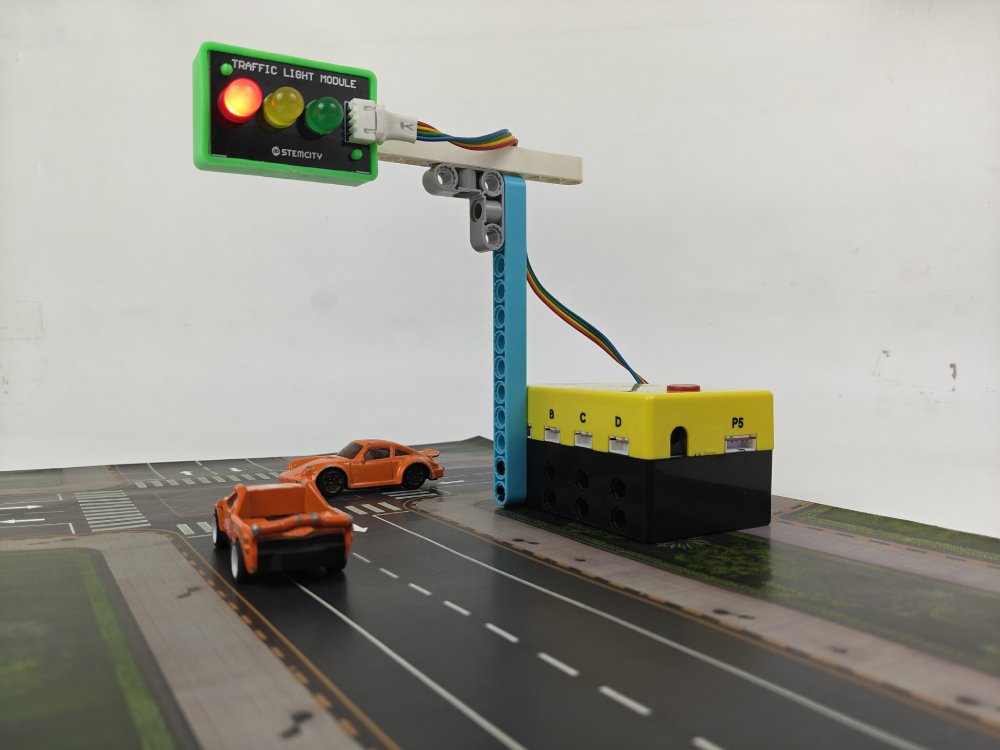
The control of traffic is a key element in today’s city design. This science project display is helpful for kids to know the purpose of traffic lights to control the movement of vehicles and road safety. Students learn about how automated systems function by building a model with LEDs and control circuits. “It also exposes them to smart city concepts and the role of technology in public infrastructure.”
Learning Outcomes:
- Traffic Management Fundamentals
- Technology for smart cities
- Electronics and Circuit
- Problem-solving skills
10. Wind Energy Generator
Wind energy is one of the fastest-growing renewable energy sources worldwide. In this project, students will construct a modest model of a windmill to demonstrate how wind can be used to generate electricity. The activity teaches kids about energy conversion and the need to generate power sustainably. It also increases awareness of environmentally sustainable energy choices.
Learning Outcomes:
- Renewable energy concepts
- Wind power generation
- Energy conversion principles
- Sustainability Environment
11. Weather Monitoring Station
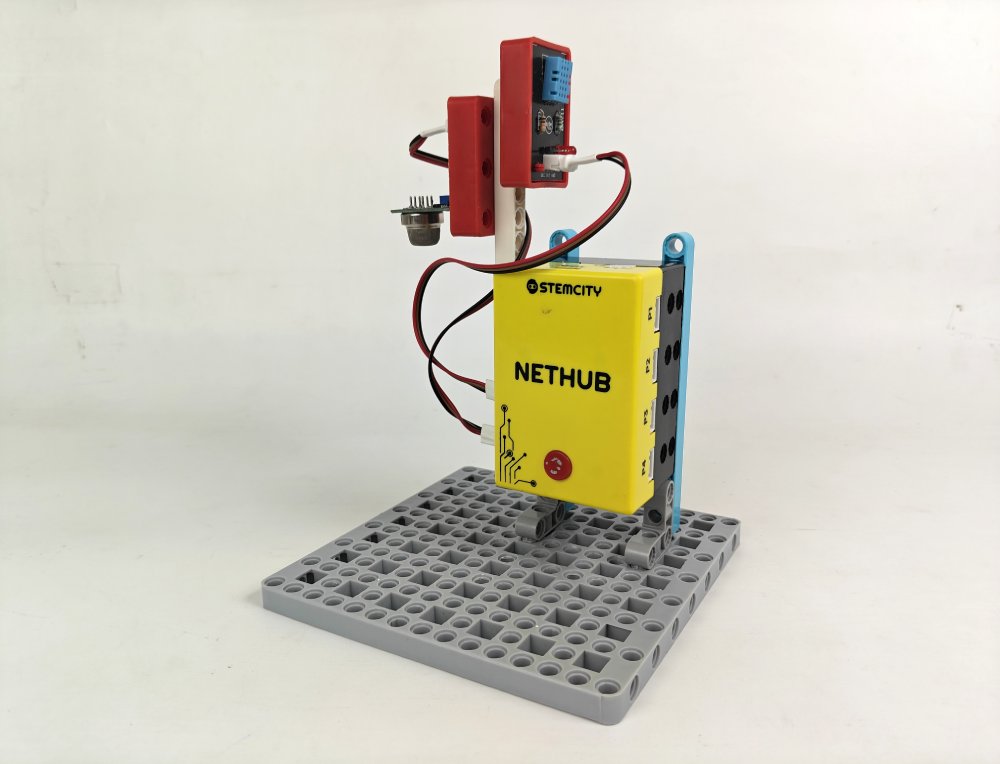
A weather station teaches about observation and data collection in science. Students build a model to measure parameters such as temperature, humidity, rainfall, or wind speed. They find out how meteorologists record and analyse environmental data to research weather trends and create forecasts. This project encourages critical thinking and research-based learning.
Learning Outcomes:
- Data collecting and analyses
- Studies of weather and climate
- Observation skills;
- Methods of scientific research
Why Science Projects Are Important for Students
All the science projects push students to go beyond theory and practically apply the topics. Students get a greater understanding of scientific ideas and enhance their creativity and analytical thinking through experimentation and observation.
Science projects also help students to:
- Build self-confidence
- Enhance their ability to communicate
- Develop team skills
- Study problem-solving techniques
- Enhance observation and research skills
This makes project-based learning an integral aspect of modern education.
The Growing Importance of Science Exhibitions
Science displays provide an opportunity for students to showcase their creativity and understanding. A well-planned science demonstration project not only shows knowledge but also enhances presenting and communication abilities.
Schools encourage students to participate in exhibitions as they foster innovation, teamwork, and healthy competition. An excellent scientific exhibition project can motivate kids to investigate science more and build a lifelong passion for learning.
How Shikshak Solutions Supports Science Learning?
At Shikshak Solutions, we think that kids learn best when they can experiment, explore, and create. We help schools set up Science Labs, STEM Labs, Robotics Labs, AI Labs, IoT Labs, and Atal Tinkering Labs (ATL) for experiential learning and fostering innovation.
Our solutions consist of:
- Lab setup and planning complete
- Learning kits and equipment
- Curriculum Based On Activity
- Teacher training courses
- Project-based learning materials
- Student’s workbooks and handbooks
- Continuous Academic and Technical Support
These learning settings allow students to work on different science project ideas, develop unique models, and take part in exhibitions and contests with confidence.
Conclusion
A model of a well-structured science project can change the way pupils learn. Whether it’s a solar-powered house, a hydraulic bridge, a weather station, or a rainwater harvesting system, hands-on projects help students relate classroom principles to real-world applications.
With more schools adopting the principles of experiential learning and STEM education, hands-on projects are becoming more and more significant in academic development. Schools can inspire kids to come up with new science project ideas for children, which will help them develop a sense of curiosity, creativity, and problem-solving that will be useful throughout their lives.
With the correct guidance, tools, and support from groups like Shikshak Solutions, kids can transform simple ideas into significant projects and build the skills needed for a future driven by innovation and discovery.