Table of Contents
In today’s fast-paced world, students must have more than just theoretical knowledge to be successful. They need practical skills, inventiveness, critical thinking and problem-solving skills. This is where robotics and project-based learning become game-changers in education.
Robotics projects allow students to apply principles learned in science, technology, engineering and mathematics (STEM) to real-world settings. Hands-on exercises allow learners to understand sensors, automation, electronics, programming, and artificial intelligence in an engaging participatory manner. These projects are not only fun to study but also help students build innovation, teamwork and design-thinking skills.
Whether applied in STEM labs, robotics labs, Atal Tinkering Labs (ATL) or smart schools, robotics projects inspire students to learn by making, trying and improving their ideas. Here are 21 Innovative Ideas for Students to gain future-ready abilities.
1. Obstacle Avoider Robot
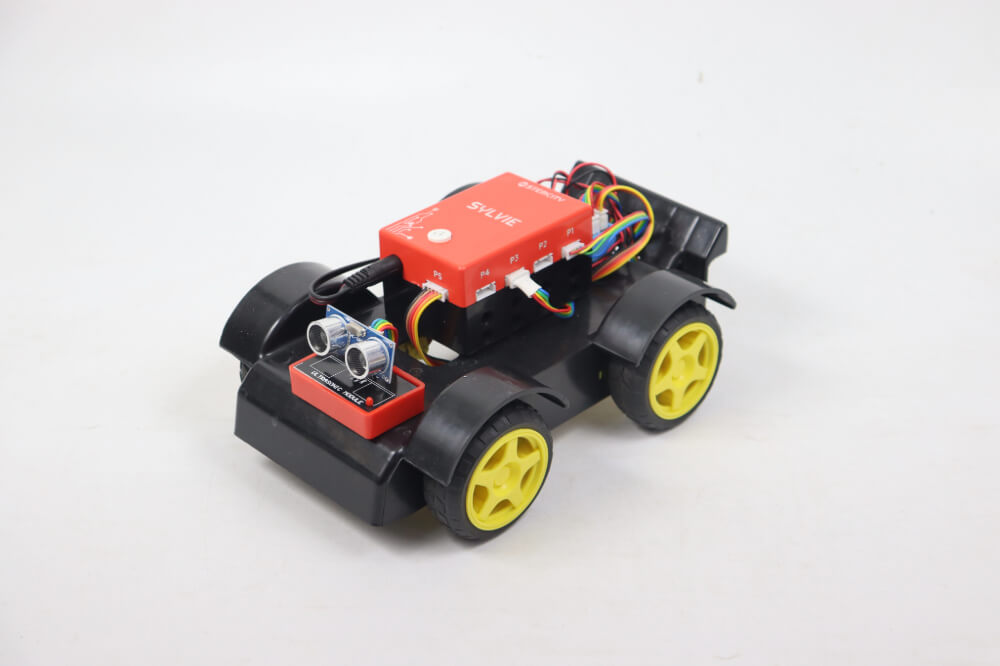
An obstacle avoider robot senses objects using ultrasonic sensors and alters its trajectory autonomously to avoid collisions. It teaches pupils about robotics, sensors, automation and autonomous navigation systems. This experiment shows how machines can make judgements based on their surroundings without human help.
Benefits & Uses:
- Helps pupils grasp automation based on sensors.
- Improves programming and problem-solving skills.
- The same tech is utilised in self-driving cars and robotic vacuum cleaners.
- Promotes innovation in robotics and smart mobility solutions.
2. Line Follower Robot
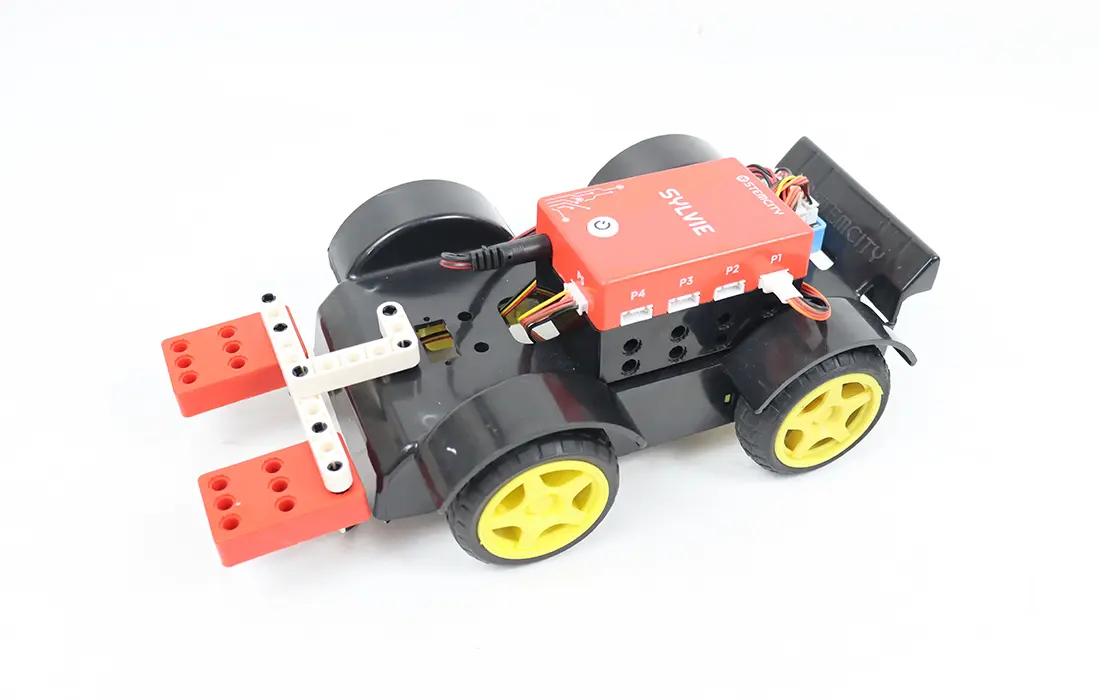
A line follower robot follows a specified path using infrared sensors. It can see contrasting lines on a surface and respond to them. This project will allow students to grasp the automated navigation and control systems in robots.
Benefits & Uses:
- Introduction to Path Planning Concepts for Students.
- Helps build coding abilities and logical thinking.
- For industrial automation and warehouse transport systems.
- Demonstrates the basics of autonomous robots.
3. Fire Alarm System
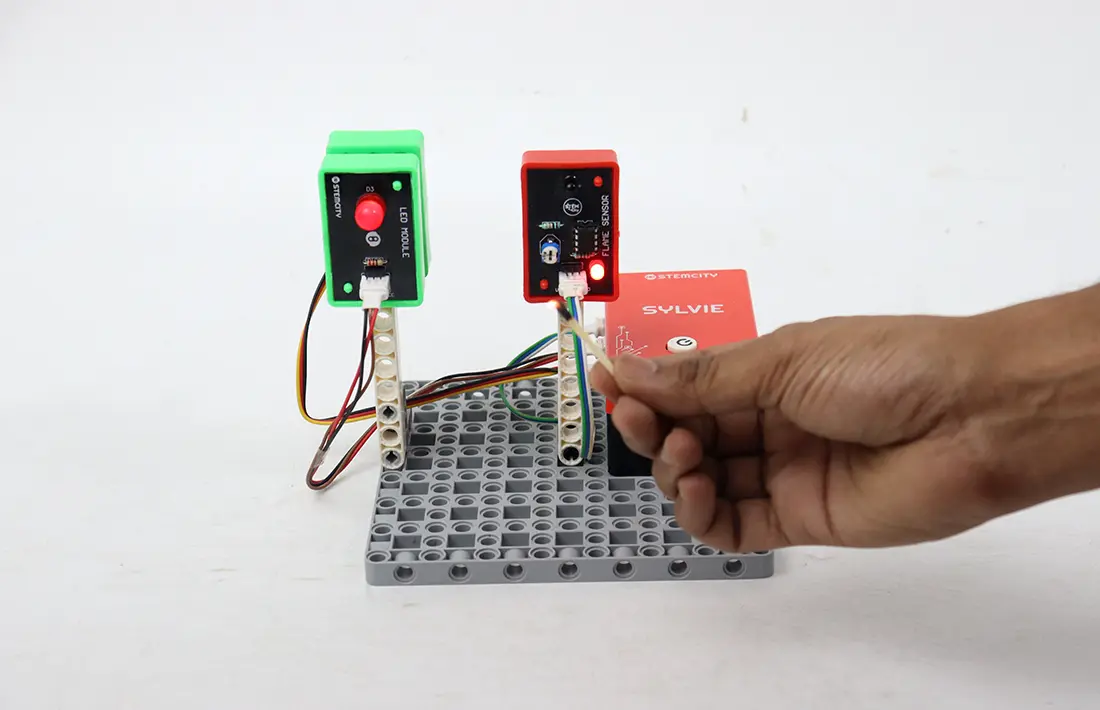
The fire alarm system can identify high temperatures or flames and trigger an alarm to inform users. It helps pupils to learn the importance of safety monitoring and emergency response systems. The study shows how sensors may be utilised to protect lives and property.
Benefits & Uses:
- Creates awareness about fire safety.
- Introduces sensor-based monitoring systems.
- Used in homes, schools, offices and industries.
- Helps to prevent accidents by early detection of incidents.
4. Light Follower Robot
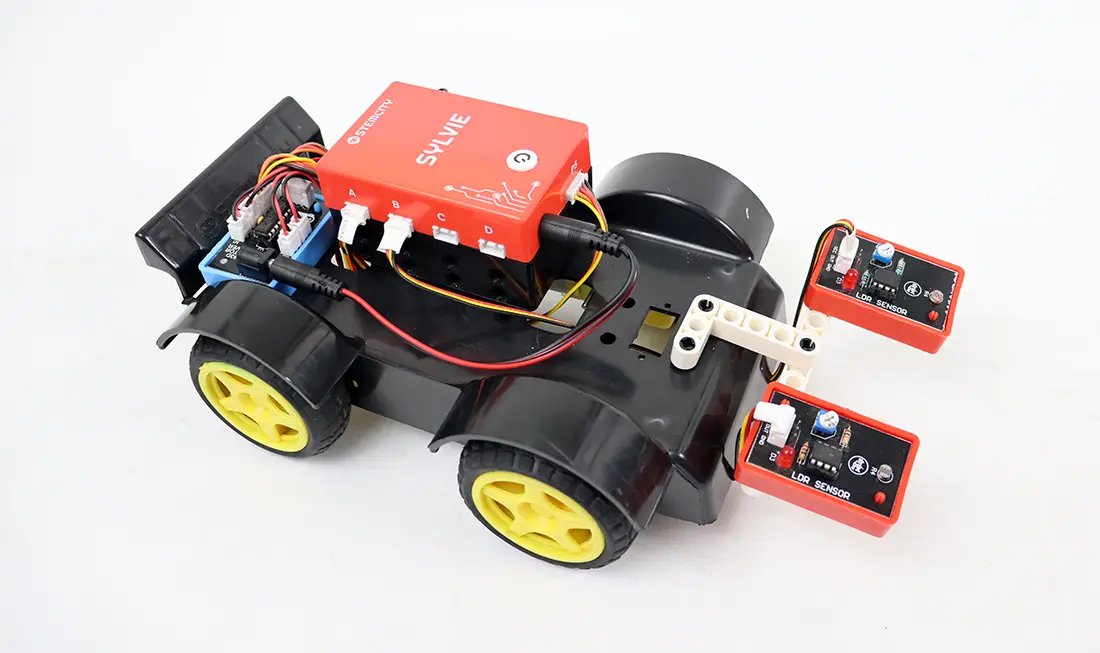
A Light Follower Robot Detects a Light Source and Moves Towards It Automatically. The project shows how a robot responds to the surroundings and finds the motion based on the sensor readings.
Benefits & Uses:
- Helps learners understand light sensors.
- Introduces basics of navigation for robotics.
- Solar tracking systems use similar ideas.
- Encourages trying out autonomous systems.
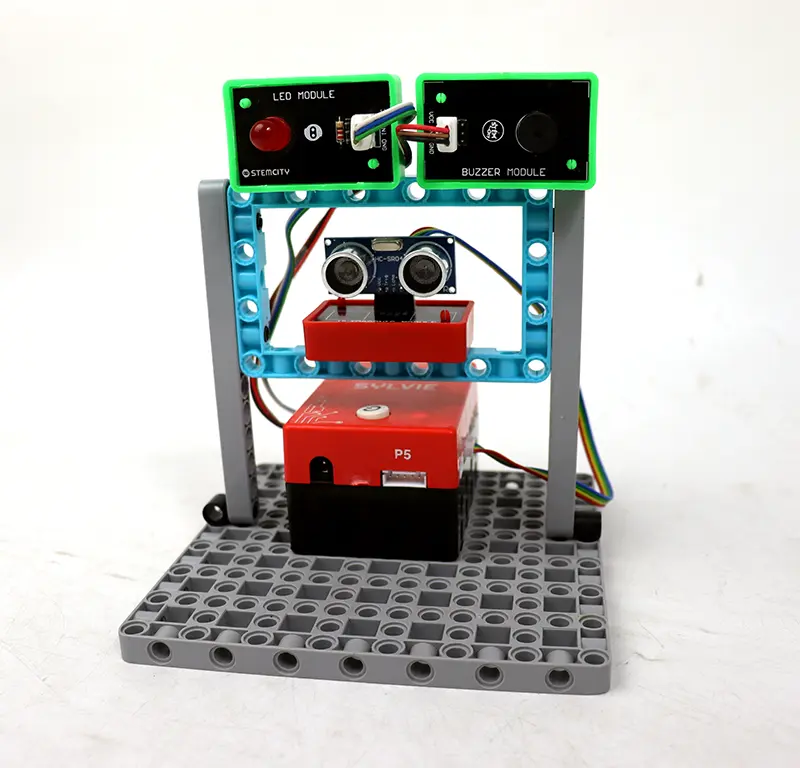
5. Ultrasonic Parking Assistant
An ultrasonic parking assistant measures the distance between a vehicle and nearby obstacles using ultrasonic sensors. It warns when objects are too close, aiding with parking precision and safety.
Benefits & Uses:
- It gives practical applications of distance sensors.
- Improves grasp of smart vehicle technologies.
- You will see similar technologies in modern cars.
- Encourages safe and efficient parking habits.
6. Fire Detection Robot
A fire detection robot can detect fire or high heat in an area and send alarms. Students learn about how robots may aid with safety chores and work in places that could be unsafe for people.
Benefits & Uses:
- Applications of robotics in disaster management.
- Displays automated monitoring systems.
- Suitable for industrial and hazardous areas.
- Encourages creative thinking for safety solutions.
7. Darkness Alarm
This is automatically triggered when the light levels fall below some predetermined value. Students learn how sensors can monitor circumstances in the environment and immediately trigger an action.
Benefits & Uses:
- Shows practical applications of light sensors.
- For security and monitoring applications
- Ideal for use in residences and storage buildings.
- Promotes awareness of automatic alert systems.
8. Wall Follower Robot
A wall follower robot is a robot that moves, maintaining a constant distance from the wall. This study shows how sensors may be used to make autonomous decisions and movements.
Benefits & Uses:
- Teaches algorithms of navigation.
- Develops abilities in programming for robotics.
- Industrial robots work on similar principles.
- Promotes knowledge of autonomous systems.
9. Traffic Light Simulation
A traffic light simulation is a simulation of how traffic lights work at intersections. Students study how timing systems are used to control traffic and promote road safety.
Benefits & Uses:
- Shows automation in urban infrastructure.
- Helps you comprehend traffic management systems.
- Facilitates rational sequencing and management of timing.
- Seeks to create awareness about road safety.
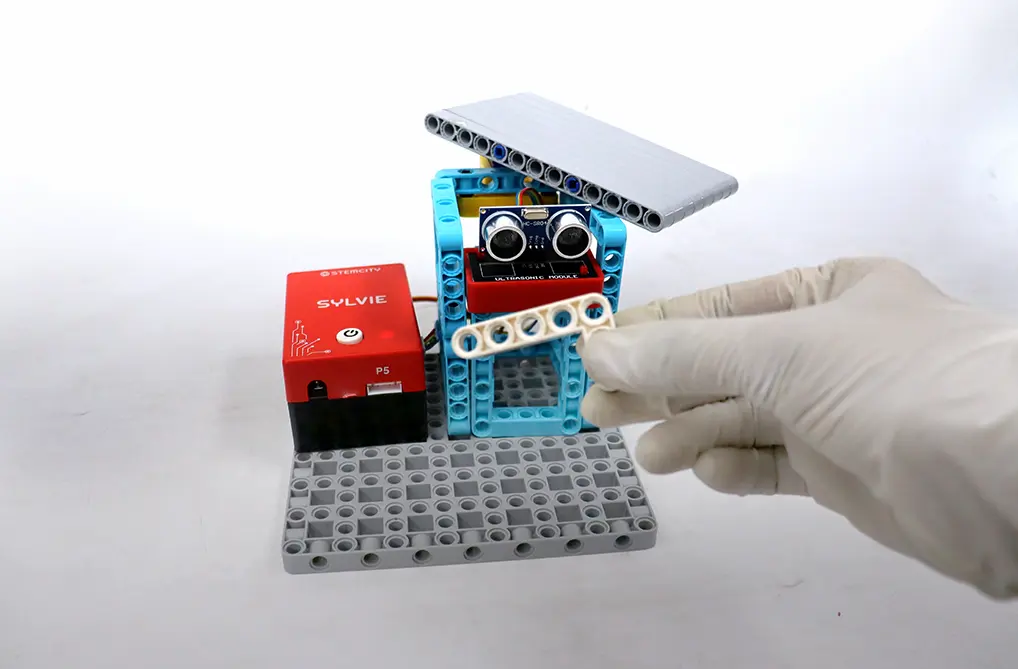
10. Smart Dustbin
A smart trash can opens itself when a person comes near it. It uses sensors to create a touchless experience, demonstrating how automation may boost hygiene and ease of use.
Benefits & Uses:
- Encourages cleanliness and hygiene.
- Sensor-based automation is introduced.
- Smart buildings and public locations.
- Encourages creative approaches to trash management.
11. Anti-Fall Robot
The anti-fall robot is built to recognise edges, stairs, or sudden drops and alter direction before it falls. It employs sensors to keep the surface underneath it under constant surveillance. This project exposes students to safety mechanisms in robots and autonomous navigation.
Benefits & Uses:
- Helps pupils learn to understand edge detection sensors.
- Shows safety elements utilised in robots nowadays.
- Such technology is employed in robotic vacuum cleaners.
- Promotes development of intelligent robotic systems.
12. Room Temperature Alarm
An alarm for room temperature monitors the temperature in a room and triggers an alarm when the temperature gets too high or too low. This project helps students understand environmental monitoring and automation systems.
Benefits & Uses:
- Temperature sensor technique introduced.
- Raises awareness of environmental concerns.
- Used in labs, hospitals, server rooms and industry.
- Helps prevent damage from severe heat.
13. Robot with Headlight
A robot with a headlight will automatically turn on its lights when working in low-light settings. It merges robotics and automated lighting systems to enhance visibility during movement.
Benefits & Uses:
- Shows how light sensors are used in practice.
- Increases knowledge of automation and control systems.
- Similar technology is employed in modern cars.
- Enhanced safety when working in dark situations.
14. Left-Right Turn Indication Robot
This robot uses indicator lights to signal whether it is turning left or right. It helps students understand how communication systems improve safety in moving vehicles and machines.
Benefits & Uses:
- Introduces signalling and communication concepts.
- Demonstrates safety measures used in transportation.
- Similar systems are used in cars, bikes, and industrial vehicles.
- Helps students learn the importance of visual alerts.
15. Maze Solver Robot
The robot is trained to use sensors and logical decision-making to navigate a maze. It shows how robots can assess events and determine the best path.
Benefits & Uses:
- Cultivates logical thinking and programming skills.
- Introduces path-finding algorithms.
- “The same ideas are used in navigation systems and in autonomous robots.”
- Encourages critical thinking and problem-solving.
16. Light Avoider Robot
A robot that avoids light, which senses bright light and moves away from it. The experiment demonstrates how robots may respond to environmental conditions and make decisions on their own.
Benefits & Uses:
- Helps pupils grasp sensor-driven responses.
- Introduces autonomous behaviour in robotics.
- Shows methods for environmental sensing.
- Promotes experiments with intelligent robotic systems.
17. Entry Counter
An entry counter is a sensor that automatically counts how many individuals enter or leave a room. It shows how technology can be used to monitor and collect data.
Benefits & Uses:
- Provides pupils with an introduction to automation and data tracking.
- Helps you learn how counting and monitoring systems work.
- Ideal for commercial malls, schools, workplaces and public buildings.
- Supports crowd control and occupancy monitoring.
18. Laser Tripwire Alarm
Laser tripwire alarm: A laser beam and sensor detect disruptions. The system sounds an alarm if the beam is broken. This project presents the basics of security and surveillance technology.
Benefits & Uses:
- Introduces students to security systems.
- Sensor-based intrusion detection shown.
- Museums, banks and other restricted places employ similar techniques.
- Increases awareness of safety and security technology.
19. Contactless Doorbell
A contactless doorbell allows guests to ring a bell without having to touch a switch. It employs sensors to sense hand movements and automatically turn on the bell.
Benefits & Uses:
- Encourages hygiene and touchless contact.
- Sensors in Practice.
- Suitable for home, hospital, school and office.
- Introduces students to smart home technology.
20. Digital Dice
Digital dice create a random number electronically and show the result using LEDs or a display module. It’s a fun way to learn about electronics and programming.
Benefits & Uses:
- Introduces students to random number creation.
- Better understanding of electronic circuits.
- Suitable for educational games and exercises.
- Learning electronics is fun and participatory.
21. Quiz Buzzer
A quiz buzzer system detects the first person to hit a buzzer and then disables the others. It shows how electronic control systems process inputs and respond fairly.
Benefits & Uses:
- Helps pupils to grasp logic and control systems.
- Promotes participation in quizzes and tournaments.
- Similar approaches are utilised in quiz shows and game events.
- Develops an interest in electronics and circuit design.
Partner with Shikshak Solutions for Robotics and STEM Education
As the future is driven by robots, automation, artificial intelligence and IoT, schools must provide students with the opportunity to learn through innovation and hands-on experiences. Learning robotics is not just about machines. It is about fostering creativity, critical thinking, problem-solving skills, and the courage to realise ideas.
At Shikshak Solutions, we assist schools in creating future-ready learning environments with comprehensive educational lab solutions linked with the goal of NEP 2020. We are specialists in setting up robotics laboratories, STEM labs, ATL laboratories, AI labs, IoT labs, smart classrooms, innovation centres, maths labs, science labs and other experiential learning spaces.
Along with infrastructure, we offer full support through curriculum creation, project-based learning tools, teacher training courses and hands-on activities that inspire innovation and hands-on learning. We aim to make sure that students not only study concepts but also use them to solve real-world issues.
We also provide a wide choice of high-quality instructional kits and components for
- Schools and Other Educational Facilities
- STEM & Robotics Labs
- Atal Tinkering Labs (ATLs)
- Innovation and Makerspaces
- Students and Young Innovators (persons)
Our solutions are:
- Sensors & Sensor Modules
- Control systems and actuators
- Sylvie and Robot Development Platforms
- Automation Kits and Robotics
- Smart Monitoring and Automation Tools
- Resources for Project-Based Learning
These materials allow students to design, build and test new ideas and to learn valuable technical and 21st-century skills.
Whether you want to set up a new robotics lab, renovate an existing STEM lab or implement project-based learning in your school, Shikshak Solutions can help you construct an engaging and future-ready learning ecosystem.
Get in Touch with Shikshak Solutions
Phone: +91 9599185056
Email: [email protected]
Empowering schools, educators, and students through innovation, technology, and
experiential learning.
Conclusion
Not only do advanced engineering labs use robotics. Students can learn technology and creativity through easy, impactful projects that boost confidence and skills. These 21 creative project ideas, from obstacle-avoiding robots and smart dustbins to maze solvers and security systems, are great for robotics, automation, AI, and STEM education.
Adding robotics projects to schools, STEM Labs, and ATL Labs can spark student curiosity, creativity, and innovation.